BDFHYK 315MHz TPMS Sensor for GM, Land Rover Range Rover Sport, LR3, Jaguar XJ S-Type 2005-2013 - OE52933D4100 52933F2000
Regular price
$46.99
Product Detail
- Type Tire Pressure Monitoring System (TPMS) Sensors
- SKU BD-05-04492BK-new2
- OE Number
Estimated Delivery:
Calculating...
·
Ships by
Calculating...
·
Free Shipping
Trust & Assurance
Free Shipping · 2–7 Business Days
12-Month Warranty
30-Day Return
Secured Payment
BDFHYK 315MHz TPMS Sensor for Hyundai and Kia Applications
This BDFHYK 315mhz tire pressure sensor is an OE-style aftermarket tire pressure monitoring system sensor replacement option for selected Hyundai and Kia applications that use a 315MHz direct TPMS system. It is intended for missing tire pressure readings, TPMS warning light concerns, sensor battery failure, or sensor damage during tire and wheel service.
Vehicle Fitment / Compatibility Check
Before ordering, verify year, make, model, 315MHz frequency, OE/interchange number, direct TPMS type, valve stem style, and relearn procedure.
| Make | Year | Compatible Models |
|---|---|---|
| Hyundai | 2015-2017 | Elantra |
| Genesis / Hyundai | 2016-2017 | G80, G90, i30, Ioniq |
| Kia | 2016-2019 | Niro |
| Kia | 2015-2019 | Optima |
OE / Interchange Numbers
| 52933D4100 | 52933F2000 |
315MHz TPMS Sensor Fitment Checks
- Confirm the vehicle uses a 315MHz direct TPMS system.
- Compare the listed OE numbers with the original tire pressure sensor.
- Check the original valve stem style and wheel compatibility before installation.
- Choose the correct quantity option for one-wheel replacement or full-set service.
- Install during tire or wheel service with proper tire equipment.
- Complete sensor activation and TPMS relearn after installation.
Common Symptoms and Replacement Situations
- TPMS light remains on after tire pressure is corrected.
- One or more tire pressure readings are missing.
- The original sensor no longer communicates with the vehicle.
- A sensor battery is weak or the sensor is damaged during tire service.
- A replacement sensor is needed after wheel replacement or tire service.
Installation and Relearn Notes
After the sensor is mounted, inflate the tire to the correct pressure, activate the sensor if required, and follow the vehicle TPMS relearn procedure. Some vehicles may require a TPMS scan tool, OBD relearn, or professional tire service equipment before readings display correctly.


BDFHYK 315MHz TPMS Sensor for GM, Land Rover Range Rover Sport, LR3, Jaguar XJ S-Type 2005-2013 - OE52933D4100 52933F2000
Regular price
$46.99
This product has no reviews of its own. The merchant grouped it with related products, so the reviews shown are from across that group.
D
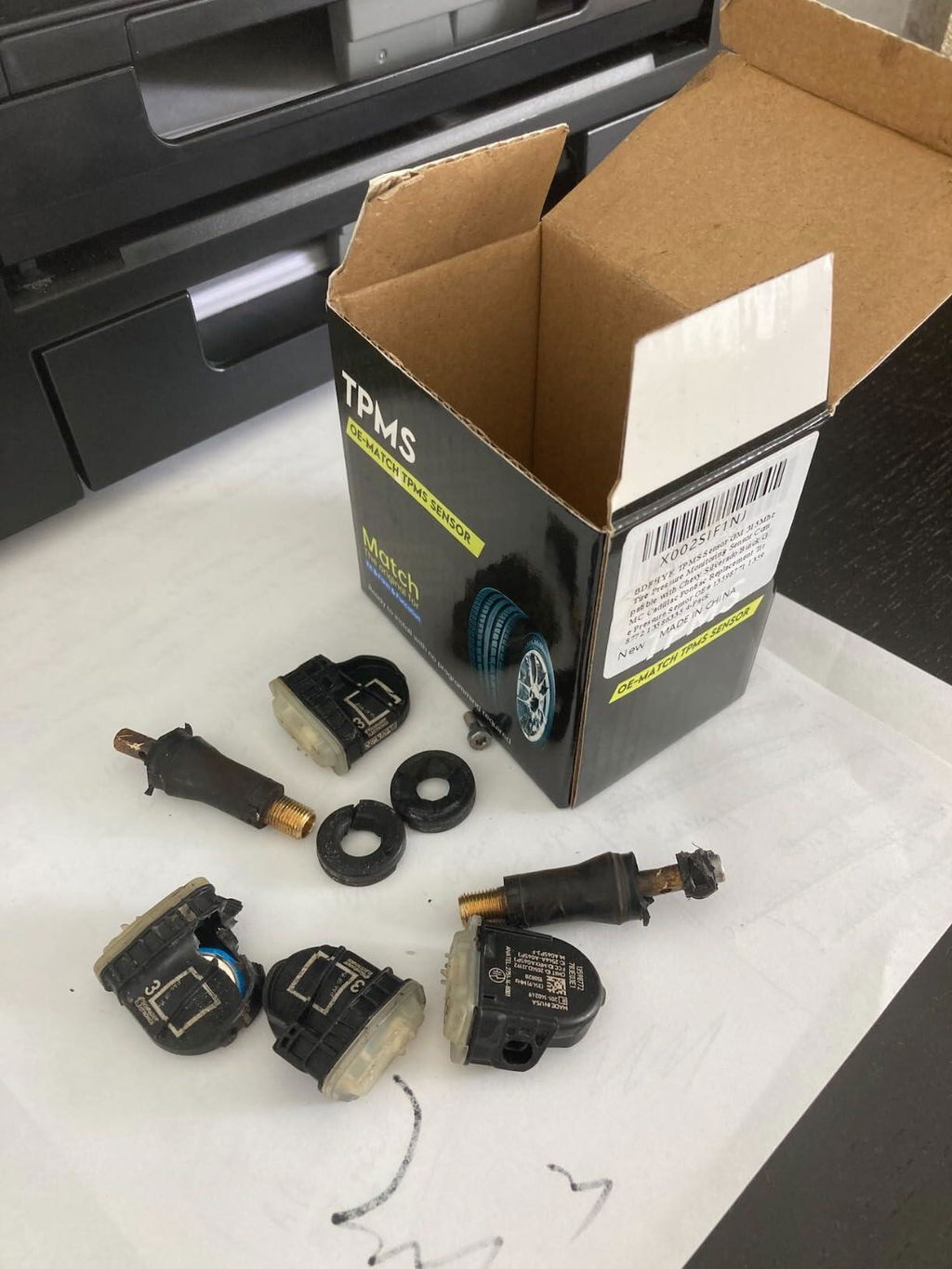
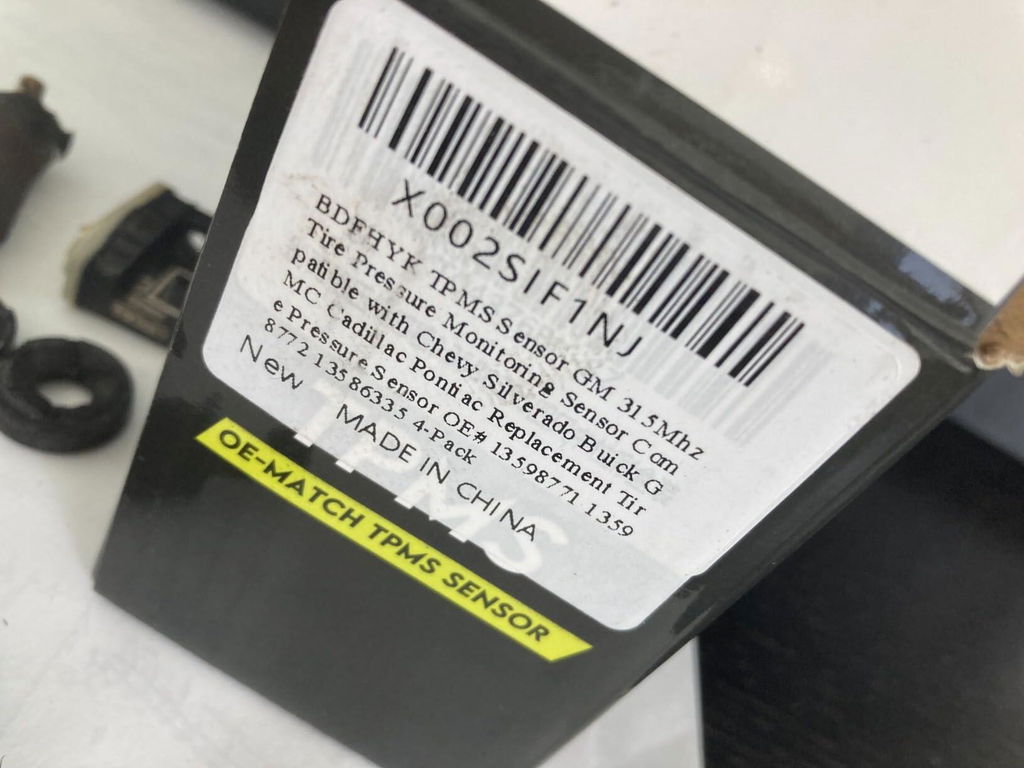
To my surprise, all the sensors worked immediately after installation and relearn on my Chevy Trax AWD 2015. I replaced all the original ones myself, three of them were showing an error due to dead batteries and only one was working. All the work took about 3 hours, the relearn was done with the use of JDIAG EL-50448 TPMS Relearn Tool, which I bought here on amazon.com for about 7-8 dollars, but it still needs a 9 volt battery, which I borrowed from my home CO2 sensor. Training took 1 minute and the unfortunate indicator went out on the dashboard!
E
Parecen buenas!
R
Buena Calidad
C
Easy to sync, have had them on for about 2 months now. So far, no issues with compatability. Can't beat the price and doing it yourself.
L
Worked great. Didn��t even have to program it
A
Programming was easy with a TPMs capable OBD reader like my Topdon 600s. Took on first try after I entered the individual codes in scanner for all 5 tires. (Spare included on Highlander) it took 2 minutes after programming and light went out for TPMS!
R
Great brand and product
Works like OEM original
R
Great Product
s
Perfect for the job. Works as advertised.
i
Not required to re program. Works great so far.
T
One valve is consistently leaking
V
Perfecto para mi Cadillac SRX 2012
m
Fixed my tpms problem, 09 Audi Q5. Bought these and had them installed and synced by Walmart for free when I got new ��tyres�� put on��.even better.
U
Los recomiendo
L
Best fit without generating other expenses at the installer.
A
La verdad muy buenos llevo casi 6 meses usandolos y funcionan a la perfeccion
J
Programed to my vehicle with no problem Mercedes-Benz ML350.
L
Not that well made. Leaked air at the rim and one valve was leaking. Had to send them back. Never tried to get them to talk to computer.
A
Great Product! Fixed my TPMS errors. Discount Tire quoted $80 each tire to do this, including installation so I looked on Amazon and found these. Walmart installed free because I have coverage on my tires from there. This saved me big money and work PERFECT!!
F
Nice
C
Great for the price
C
Worked as designed for 13 months, and now 2 of the 4 have failed. The warranty is 12 months. Coincidence? Nonetheless, the real expense of any tire pressure sensor is the installation. No point in cheaping-out on a product like this to get such poor longevity. Lesson learned. But the OEMs.
R
Works perfectly for my VW New Beetle. Simple install, the car was self programming - just air up the tires and let it sit for 1/2 hour, then go for a drive. TPMS light went out after about 2 minutes.
N
The quality of the packaging is nice, the sensors are nice overall, but after two weeks, one of the sensors stopped working. The other three are holding up.
j
Cheaper than parts store. Worked great. Solved my light on my dash.
J
Fit and works fine. Great price and fast delivery.
P
Worked well. The TPMS failure light went away after installation.
T
I was so annoyed seeing my tire pressure icon lit up on my dashboard and didn't want to get over charged at the dealer. So I purchased this item and took them to a local tire place and had them connected to my car! Dashboard is clear and I'm happy! Even though programmed, still need to be connected to your car.
t
I installed on a 2011 Nissan Altima the sensors are good that easy to put on good price battery life I don't know it's too soon to say something compatibility yes but you need a scanner to install it to make the relearn process
A
My tire sensor valve on my Mercedes-Benz GL 450 was broken by one of the techs at Pep Boys on Glenside avenue here in PA when I went to replace 4 tires I bought from Tire Rack. They claimed that they were not obligated to replace it as they believed it was broken before they installed my tires.
I found this product and bought it because of the price and the reviews by some buyers.
It was installed today. As I was driving home, the tire icon started blinking and right before I arrived home, it automatically synced and started working.
This is a great product and I highly recommend it.
P
Installed on 2007 Jetta at the same time I replaced tires, after resetting the tpms on car just drove for about 10 miles and my low tire light went off. Happy with purchase.