E7241M Fuel Pump Module Assembly for 2005-2010 Chrysler 300 / Dodge Charger Challenger Magnum 2.7L 3.5L 5.7L, 18 Gallon Tank (Rear)
Regular price
$55.99
Product Detail
- Type Fuel Pump Assembly
- SKU BDDLZ-BD-05-07300WT
- Engine
- Make
- OE Number
Trust & Assurance
Free Shipping · 3–7 Business Days
12-Month Warranty
30-Day Return
Secured Payment
Technical Specifications
| Product Type | High-Performance fuel pump assembly |
| Operation Mode | Premium Electric Dodge fuel pump |
| Fit Type | Vehicle Specific Fit |
| Position | Rear, Inside Tank Mount - LEFT Side Only |
| Tank Capacity | 18 Gallon Only |
| Tank Structure | Saddle-type Split Tank |
| Fuel Type Compatibility | Standard Gasoline & Ethanol Blends |
| Material | High-Grade Anti-Corrosive Metal & Treated Plastic |
| Connections | Threaded (0.31 in) |
| Connector Type | NPT |
| Core Vehicles | Chrysler 300 / Dodge Charger / Challenger / Magnum (2005–2010 V6 & V8) |
| Aftermarket Interchange Nos. | FG1052, FG2479, E7241M, P76270M, SP7048M, 520-2420 |
| OEM Nos. | 5136021AE, RL136021AG |


E7241M Fuel Pump Module Assembly for 2005-2010 Chrysler 300 / Dodge Charger Challenger Magnum 2.7L 3.5L 5.7L, 18 Gallon Tank (Rear)
Regular price
$55.99
Related Product


This product has no reviews of its own. The merchant grouped it with related products, so the reviews shown are from across that group.
H
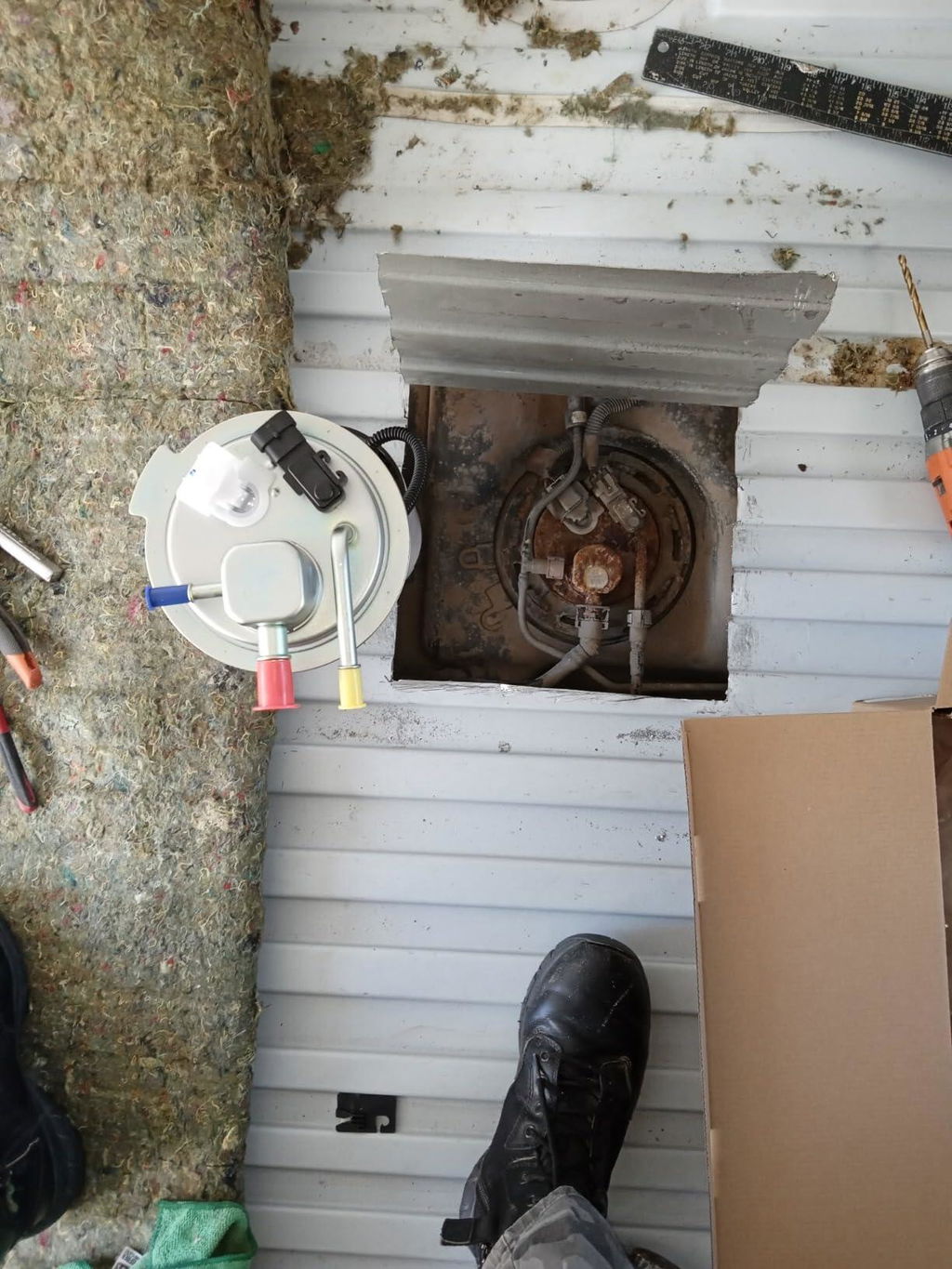
Good price, works well so far. When installing a new tank..it is the right time to install a new pump and sending unit.
t
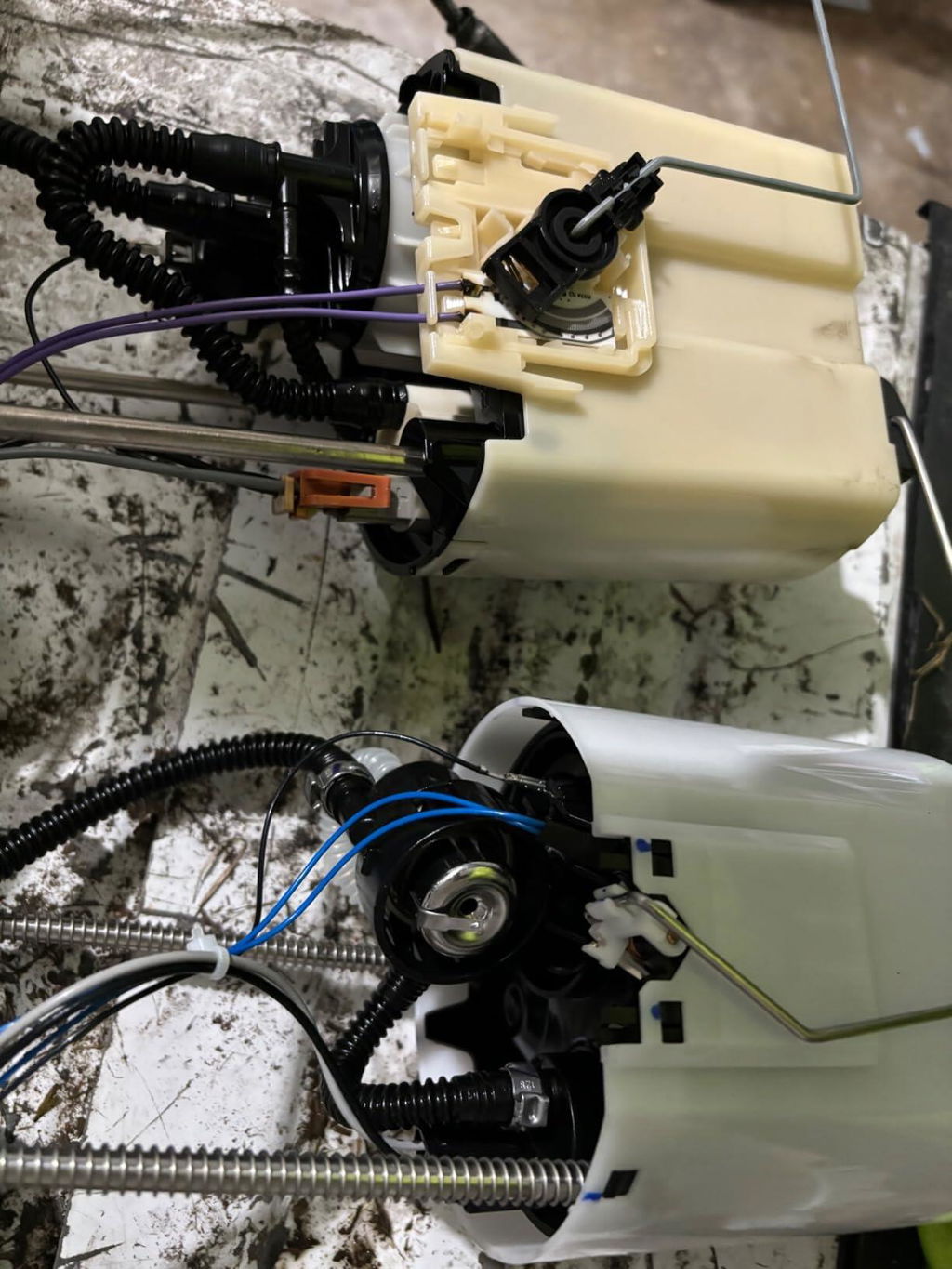
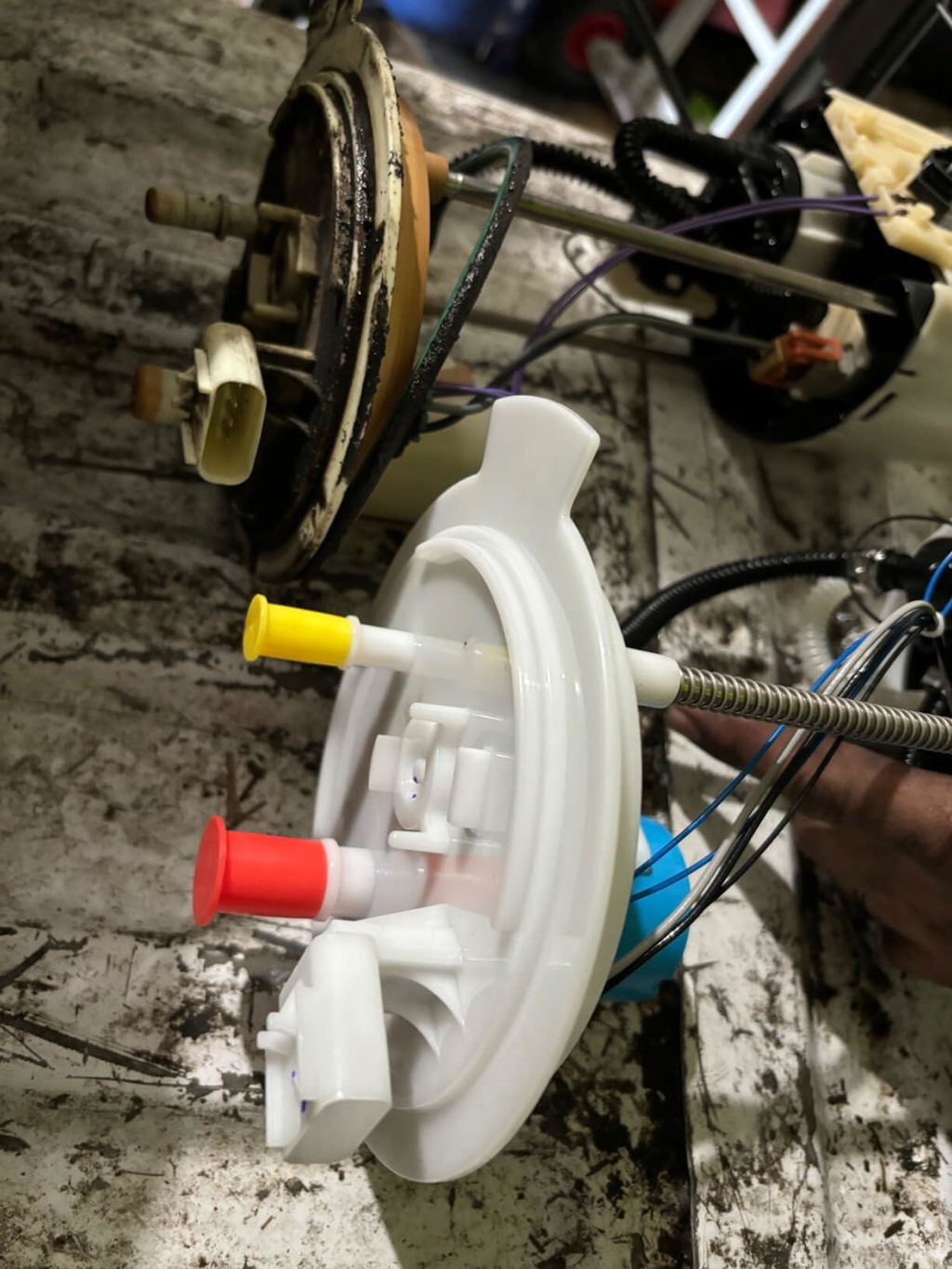
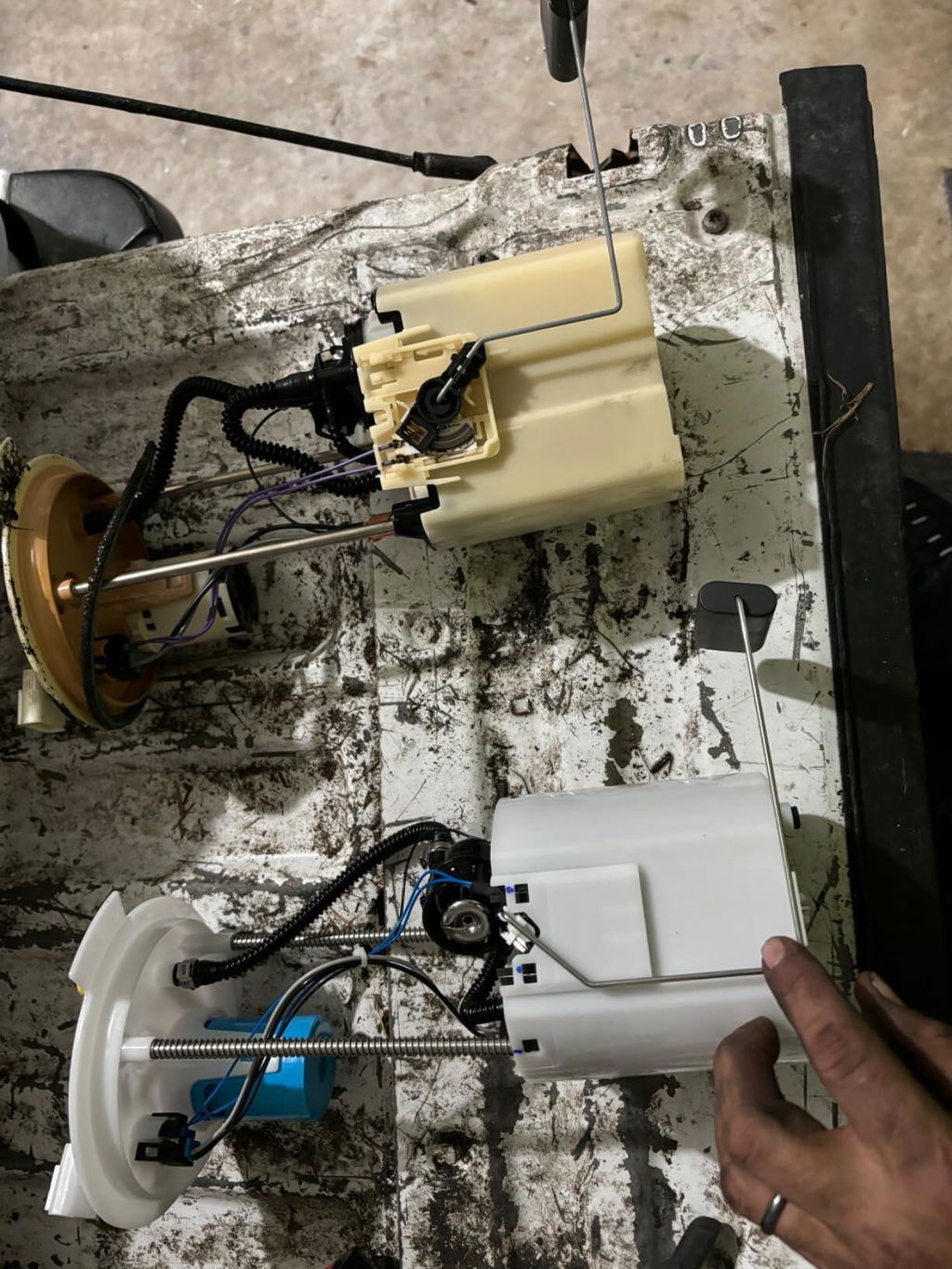
I can barely hear it turn on. It would have to be 3 o'clock in the morning to hear it clearly but not during the day. 400 miles in and so far so good. Plenty of pics attached. Oem in pic
1000 Mile update: when filling tank will say full until tank is 5/8-3/4. There's no in between. No "real" issue there
K
Easy installation, very good
M
Probably should have taken a photo but I was busy installing. works great and is exactly what we needed thank you
A
Came broke right out of the box
S
Fit perfectly works good
B
El producto est�� bien
T
Yes it was a perfect fit works flawlessly great products will order again excellent thanku
b
Worked great on my 2008 Gmc sierra 5.3L engine. Different by design but works and fit nice.
J
Seems like a good replacement. The wiring instructions are incorrect and caused it to not turn on. After looking up the proper diagram on line it came right on.
M
Easy install. Works as advertised. Great price. Filter is included in the assembly.
Z
It matched up perfect to my 2005 chevy Silverado 1500 8 cylinder. 6 liter engine.
A
Looks good but don't fit on my 2011 Chrysler 200 v6 like the description says, top part is different and connector don't fit!
D
I paid about a third of what they wanted from the local supply house. Same pump. Going on my 3rd week and it's performing great. Save yourself some cash and buy it.
M
Horrible. Don't go cheap ! I bought for a temporary replacement but it still didn't. Work. The fuel pump wasn't giving out any fuel pressure came to find out it wasn't giving any current.
S
Fonctionne bien après 3 lois
J
Good price and works as it should.
T
Could be better but works fine.
E
Bought for a 2013 GMC sierra 4.8lt. Works great. Been installed for a year. Working as It should. I did silicone around electrical connections. They didn't look very liquid tite.