Coolant Reservoir
Automotive Coolant Reservoir Replacement for Vehicle-Specific Fitment
A damaged automotive coolant reservoir can cause visible coolant loss, low coolant level, coolant smell, overflow, or repeated refilling. BDFHYK offers OE-style aftermarket coolant reservoir tank replacement options for selected vehicles, helping drivers replace cracked, leaking, brittle, or aged coolant reservoirs after proper inspection.
Each coolant reservoir should be selected by vehicle fitment, OE or interchange number, tank shape, hose port layout, mounting points, and original reservoir design. Before ordering, compare the product listing with your original part instead of choosing only by vehicle name or appearance. For a more detailed pre-purchase checklist, read our guide on what to check before buying a coolant reservoir replacement.
Find the Right Coolant Reservoir Tank Replacement
A coolant reservoir is part of the engine cooling system. It provides a place for coolant expansion and recovery as the engine heats up and cools down. If you are not sure how the reservoir works, start with our guide: what does a coolant reservoir do?
When the original tank becomes cracked, stained, brittle, or unable to hold coolant properly, a matching coolant reservoir tank replacement can help restore the cooling system’s coolant holding point.
- Check your vehicle: Confirm year, make, model, engine, and trim if required.
- Compare OE numbers: Match the OE or interchange number listed on the product page with your original reservoir or fitment reference.
- Match the tank layout: Check the reservoir shape, hose port position, mounting tabs, cap area, and connection layout. You can also review our guide on how to check the tank, cap, hose, and connections.
- Inspect the full cooling system: Coolant loss may also come from hoses, clamps, radiator, pressure cap, thermostat, water pump, cooling fan, trapped air, or another cooling system issue.
Chevy Cruze and Chevrolet Cruze Coolant Reservoir Search Notes
If you are searching for a Chevy Cruze coolant reservoir or Chevrolet Cruze coolant reservoir, use the vehicle filter and product details to confirm whether a matching direct-fit option is available. Do not assume that a coolant reservoir fits only because it looks similar. Always compare the OE number, tank design, hose routing, and mounting points before ordering.
If you are checking coolant level problems before choosing a replacement, see our guides on why the coolant reservoir is empty and how much coolant should be in the reservoir.
Universal Coolant Reservoir vs Vehicle-Specific Replacement
Some buyers search for a universal coolant reservoir, but many daily-driver repairs require a vehicle-specific coolant reservoir that matches the original mounting and hose layout. BDFHYK coolant reservoir listings are organized around fitment, OE-style replacement use, and original part comparison, so buyers can choose a more accurate replacement for their specific vehicle application.
If you are comparing reservoir types, read coolant reservoir vs overflow tank vs expansion tank. If you are not sure where coolant should be added, see coolant reservoir vs radiator: where should you add coolant?
When to Replace a Coolant Reservoir
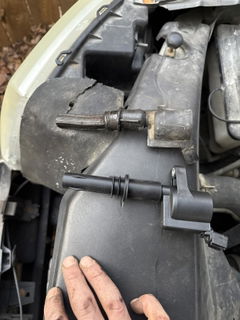
Consider replacing the coolant reservoir when the original tank is visibly cracked, leaking, brittle, heavily stained, or no longer holding coolant after inspection. Common signs include coolant residue around the reservoir, repeated coolant level drop, coolant smell near the engine bay, or visible damage around the tank body or hose connection area. For more details, review bad coolant reservoir symptoms and when to replace a cracked coolant reservoir.
Replacing the reservoir should not be treated as a guaranteed fix for overheating. If the vehicle overheats, bubbles coolant, or repeatedly loses coolant, inspect the cooling system and confirm the failed part before replacing components. For related diagnosis, read why the coolant reservoir is bubbling, boiling, or overflowing and whether you can drive with a leaking, cracked, or empty coolant reservoir.